Stop Draining Your Profits: 12 Compressed Air Myths Debunked
2026-03-01In the manufacturing world, compressed air is often called the “fourth utility.” Because it is invisible, it is frequently misunderstood. Many plants operate under legacy assumptions that lead to massive energy waste, skyrocketing costs, and sudden equipment failure.
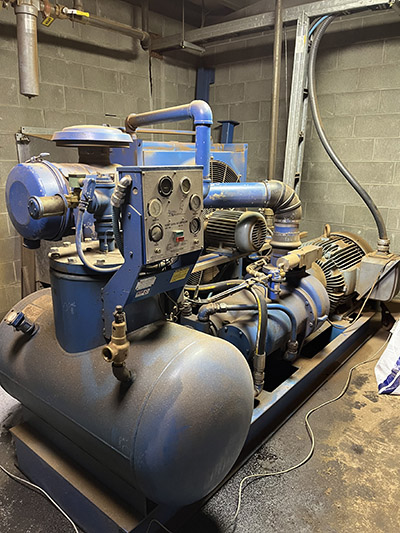
Correcting these misconceptions is the fastest way to improve your bottom line. Here is the reality behind the 12 most common compressed air myths.
1. “Compressed air is free once the machine is bought.”
The Reality: Energy is your biggest expense. Over the lifecycle of a compressor, electricity accounts for over 70% of the total cost, far outweighing the initial purchase price.
2. “Higher pressure equals better performance.”
The Reality: Running at excessive pressure increases energy consumption and puts unnecessary stress on your system. Every 2 PSI reduction in pressure can save approximately 1% in energy costs.
3. “Leaks don’t matter as long as we meet demand.”
The Reality: Leaks aren’t just “noise”—they are a financial drain. Leaks often account for 20–30% of total system demand. Ignoring them means your compressors are running longer and wearing out faster for no reason.
4. “All dryers and filters are essentially the same.”
The Reality: Air quality requirements vary by application. Using the wrong treatment equipment can contaminate products, clog expensive tools, or create excessive “pressure drop” that wastes energy.
5. “A larger compressor is always a safer bet.”
The Reality: Oversized compressors are notoriously inefficient. They “short-cycle” or spend too much time in unloaded states, leading to higher maintenance needs and poor energy performance.
6. “Storage tanks are an unnecessary expense.”
The Reality: Air receivers act as a buffer. They stabilize system pressure and prevent the compressor from cycling on and off rapidly. Without adequate storage, your system works much harder than it should.
Pro Tip: If you can’t measure it, you can’t manage it. Data is the enemy of inefficiency.
7. “A new compressor will automatically fix my efficiency.”
The Reality: A high-efficiency motor won’t fix a broken system. If your piping is poorly sized or your leaks are unaddressed, a new compressor is just a “band-aid” on a deeper wound.
8. “It doesn’t pay to monitor the system.”
The Reality: Hidden inefficiencies stay hidden without data. Monitoring power, flow, and pressure allows you to spot trends before they become expensive breakdowns.
9. “One control strategy fits every plant.”
The Reality: The right controls depend on your specific load profile. A “one-size-fits-all” approach leads to energy waste. Adaptive controls can synchronize multiple units to run at their peak efficiency.
10. “Compressed air is always the best tool for the job.”
The Reality: Compressed air is an expensive way to move energy. In many cases, high-efficiency electric tools or blowers are more cost-effective. Use compressed air only where it adds specific value.
11. “Maintenance can wait until something breaks.”
The Reality: Reactive maintenance is the most expensive strategy. Neglected filters and drains lead to pressure drops and moisture carryover. Preventive maintenance pays for itself by preventing downtime.
12. “Efficiency improvements are too expensive to implement.”
The Reality: Most high-impact changes—such as fixing leaks, lowering system pressure, or optimizing controls—cost very little and offer a payback period of less than a year.
The Bottom Line
Compressed air may be an “invisible utility,” but its impact on your profit margin is very real. By questioning “the way we’ve always done it” and focusing on system-wide health, you can transform your compressed air from a cost center into a competitive advantage.
Don’t let misconceptions drain your profits. Start your efficiency journey today.
🛠️ Ready to Optimize Your System?
Not sure where the waste is hiding in your plant? We can help.